9+ curated guides • Updated November 2025
You saw the headline and your heart sank. The sadness feels surprisingly real, almost as if you knew them personally—but why? This reaction isn't strange or misplaced; it's a powerful psychological phenomenon that reveals the deep connection between their public story and your own life. This grief, often misunderstood and dismissed as trivial, is rooted in the intricate architecture of the modern human brain and our innate need for connection. We call this a 'parasocial relationship'—a one-sided, intimate bond we build with figures we only see through a screen. When that figure is gone, the brain processes the loss in a way that is startlingly similar to losing someone in our physical lives. This article deconstructs that bond, exploring not the death itself, but the profound psychological reasons your sadness is both real and valid.
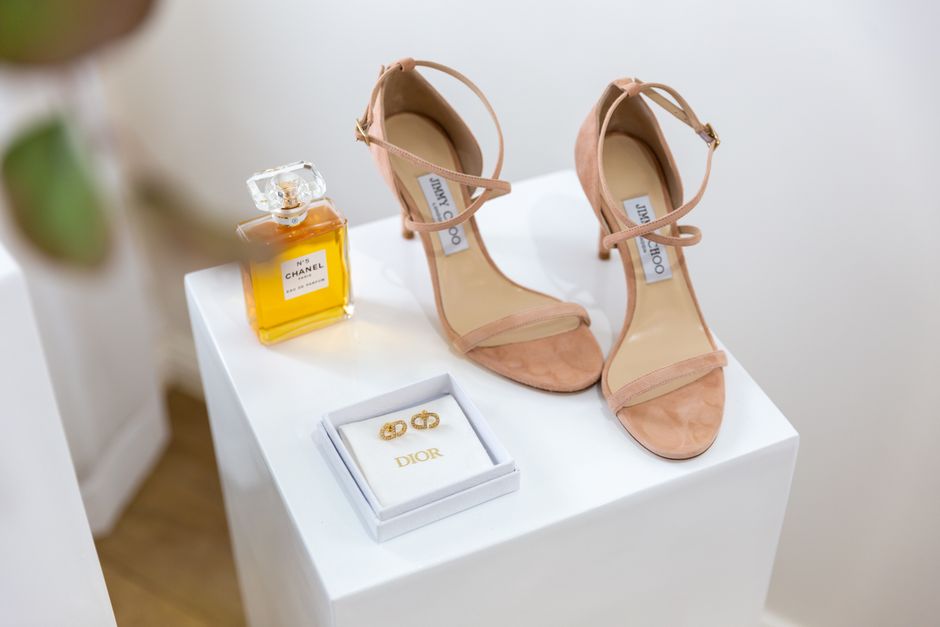
You've seen the design everywhere: a delicate stud in the front, with a larger, more dramatic element peeking out from behind the lobe. This 'ear jacket' style has become so common it feels anonymous, a trend without an origin. But it wasn't a trend that evolved organically; it was an earthquake caused by a single, iconic design that permanently changed the silhouette of the modern earring. This article deconstructs the Dior Tribales earring not as a fleeting fashion statement, but as a pivotal piece of industrial design. We will argue that its two-part construction was less an accessory and more of an invention—a new architectural blueprint for ear adornment. Its legacy isn't just in the countless imitations it spawned, but in the way it fundamentally altered our perception of what an earring could be, proving that the most profound revolutions often hide in plain sight.
We picture pearls as pure gifts from the sea, the epitome of natural elegance. Yet, beneath the ocean's surface lies a fierce debate: Are the oyster farms that produce these gems vital eco-sanctuaries, or are they disrupting fragile marine life? Before you clasp that necklace, let's dive into the murky waters of the pearl industry's true environmental cost. This isn't a simple story of good versus evil; it's a complex narrative of ecological symbiosis and commercial exploitation, where the line between guardian and disruptor is as fluid as the tides themselves. The choice you make as a consumer has ripples you may not even see.
You stare at a closet packed with clothes, yet feel like you have nothing to wear. The solution isn't another shopping spree; it's a strategic shift in thinking. What if five key accessories could unlock hundreds of new outfits from the very clothes you already own, making you look more polished while saving you money? Most people treat accessories as an afterthought—a frivolous expense. This is a portfolio management error. These items aren't costs; they are high-leverage assets that multiply the value of your core wardrobe. By acquiring the right pieces, you're not just decorating an outfit; you're fundamentally altering its utility and impact. We will analyze five specific 'securities' for your style portfolio: the structured belt, the silk scarf, classic minimalist jewelry, the versatile shoulder bag, and timeless sunglasses. It's time to stop spending and start investing.
Strolling through Jerusalem's ancient souks, you’re met with the unmistakable, buttery glow of gold. But look closer at the stamps—it’s not the 18k common in the West or the pure 24k of investment bars, but almost always 21k. This isn't a random preference; it's a cultural code, a story of wealth, heritage, and resilience melted into every intricate piece. As a cultural historian, I've seen firsthand how adornment is never just decoration; it is a language. In Jerusalem, the dialect is spoken in 87.5% pure gold, a standard that tells a far more compelling story than its more common Western counterparts.
You believe you chose that Bottega Veneta for its craftsmanship, but what did you unconsciously signal to the world about your place in the trend cycle? That classic Chanel flap might scream 'timeless,' but to some, it whispers 'safe.' We're moving beyond the price tag to decode the silent language of luxury handbags and what your chosen accessory is really telling everyone about you. This isn't a buyer's guide; it's a psychological deep dive. Your handbag is not merely an accessory; it is a carefully chosen piece of cultural armor, a non-verbal broadcast of your identity, aspirations, and understanding of the social landscape. Prepare to see your collection in a new light.
Your search for a 'fashion accessories shop near me' probably led you to the same three chain stores you already know. But the most memorable pieces—the ones that tell a story—aren't found on the first page of Google. Let's ditch the algorithm and learn how to hunt for the truly unique accessories hiding in plain sight in your own neighborhood. This guide is your new map, trading sterile search results for the thrill of discovery. We're not just shopping; we're embarking on a mission to find the soul of our city's style, one handcrafted piece at a time. Forget the predictable. It's time to become a curator of your own collection, filled with items that have a pulse, a history, and a creator you can champion.
You probably picked out that blue necklace because it perfectly matched your outfit—a simple, stylish final touch. But what if that affordable accessory is doing more than just completing your look? We're exploring the 'Cerulean Effect,' the psychological secret behind how a pop of blue can subconsciously signal trust, intelligence, and authority to everyone you meet. As a style psychologist, I analyze the non-verbal cues we transmit through our attire. And a blue necklace isn't merely decorative; it's a powerful piece of communication equipment. Placed at the throat—your center of expression—it frames your words with a halo of credibility. It's a strategic choice that can alter the dynamics of a conversation, a meeting, or even a first impression before you've uttered a single word. This article decodes that power, showing you how to wield it with intention.
You've seen them steal every scene—the faces that aren't classically 'perfect' but are impossible to forget. While the internet debates their looks, in Hollywood casting rooms, these actors are considered a secret weapon. They possess a rare quality that conventional beauty can't buy: the power to convey a lifetime of stories with a single glance. For two decades, I’ve sat in rooms where a single, interesting face can greenlight a character. Forget the sanitized perfection you see on magazine covers; the real currency in this town is authenticity. This isn't about celebrating 'ugliness'; it's about recognizing the profound narrative power etched into a face that has character, history, and grit. It's the secret ingredient behind your favorite performances.